5 Common Galvanizing Problems | How Pioneer Solves Them

Hot-dip galvanizing is critical for protecting steel from corrosion, but even seasoned galvanizers encounter recurring challenges such as bare patches, dross inclusions, or staining. While many solutions focus on pretreatment, robotics, or QA systems, the foundation of high-quality galvanizing is uniform melt control and reliable furnace technology.

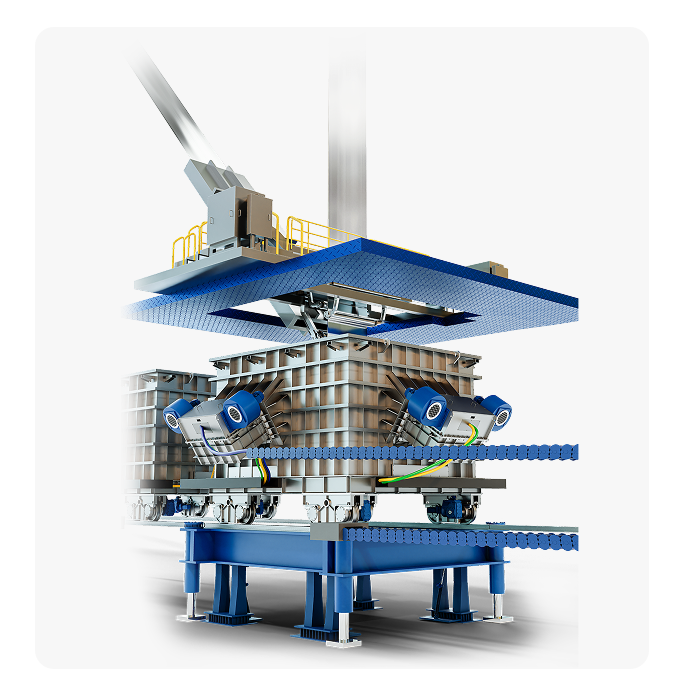
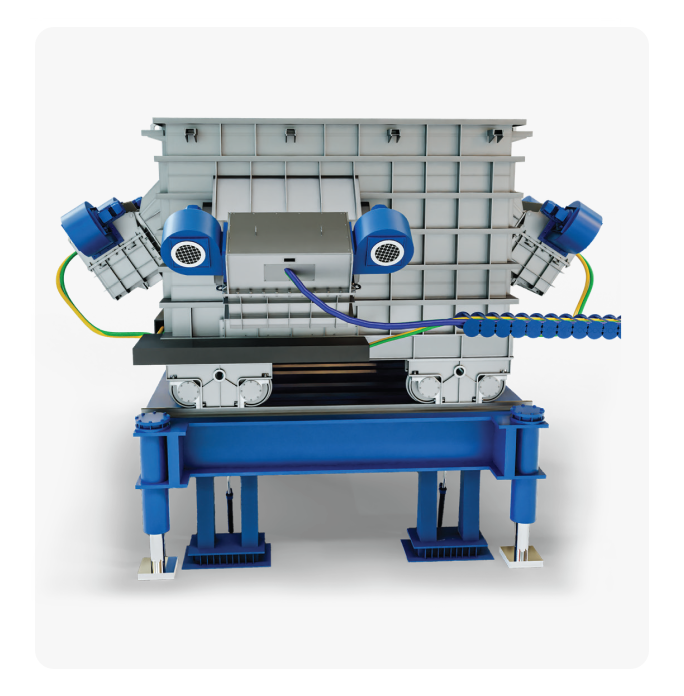
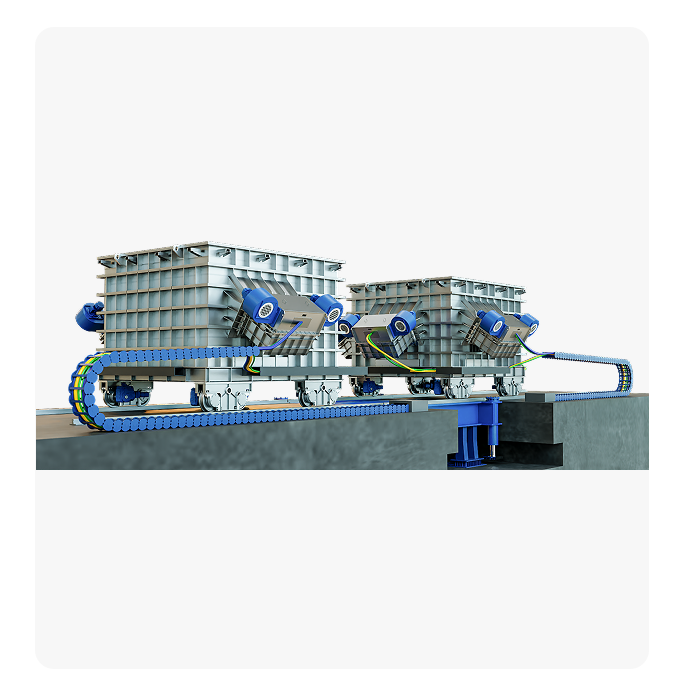
Pioneer Furnaces specializes in induction furnaces and coating pots for Zn / Zn-Al alloys, offering precision temperature control, alloying flexibility, and energy-efficient designs that directly prevent common galvanizing defects. In this article, we explore the 5 common galvanizing problems and show how Pioneer furnaces centric solutions address them for consistent, high-quality coatings.

If you are part of the galvanizing industry, this deep dive will highlight practical fixes, the role of advanced furnace technology, and strategies to maximize coating quality.


Why Galvanizing Defects Persist Even with Experienced Operators

Galvanizing involves complex thermal and chemical interactions. Variations in steel composition, bath chemistry, immersion time, and part design can produce unpredictable results. Many defects are traced back to thermal inconsistencies in the molten zinc alloy, which directly impact coating adhesion and uniformity.

Key Variables in Galvanizing:

  • Melt composition: Zn-Al alloy ratio affects coating growth and bonding.

  • Bath temperature stability: Minor fluctuations lead to delamination or uneven thickness.

  • Part design: Sharp corners or trapped flux create uncoated areas.

Even with high-quality pretreatment, furnace design and melt control play a pivotal role in defect reduction.


The 5 Most Common Galvanizing Problems

  1. Bare patches / uncoated areas

  2. Delamination and peeling

  3. Dross inclusions and pimples

  4. Weld blowouts and spatter

  5. Staining and discoloration

Below, we explore how each occurs—and how Pioneer’s furnace and coating pot solutions mitigate these issues.

1. Bare Patches / Uncoated Areas

Bare spots often appear in corners, blind holes, or flux-contaminated zones.

Causes:

  • Poor flux coverage or trapped moisture

  • Sharp corners and recessed areas

  • Uneven part heating before immersion

Pioneer’s Furnace Solution:

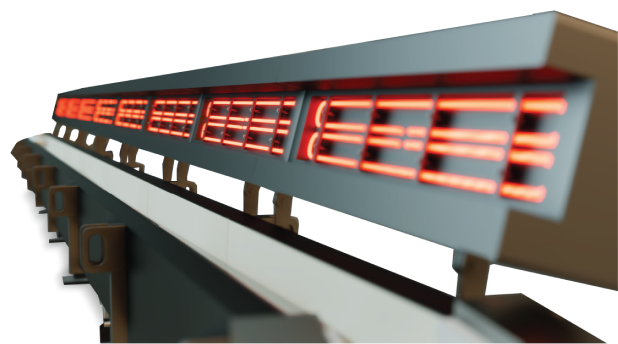
Pioneer’s induction furnaces and coating pots provide uniform pre-heating of steel parts and consistent bath temperature. This ensures that fluxes react properly and zinc adheres evenly, reducing bare patches. Precise control of the molten Zn-Al alloy allows for predictable coating coverage, even in complex geometries.

2. Delamination and Peeling

Delamination occurs when the zinc coating separates from the steel, often after cooling or handling.

Causes:

  • Uneven bath temperatures

  • Excessive coating thickness

  • Weak bonding due to oxide residues

Pioneer’s Furnace Solution:

By maintaining consistent alloy temperature and composition, Pioneer’s technology ensures uniform coating growth and optimal adhesion. Controlled withdrawal rates combined with precise melt control reduce thermal stresses that cause peeling, ensuring durable coatings.

3. Dross Inclusions & Pimples

Dross, composed of zinc-iron particles, can embed in coatings, creating rough spots.

Causes:

  • Bath contamination

  • Sediment or oxide particles

  • High agitation during dipping

Pioneer’s Furnace Solution:

Pioneer furnaces allow for controlled melt flow and cleaning cycles, keeping the Zn-Al alloy free from dross. The uniform heating ensures impurities float to the surface for easy removal, minimizing inclusions. Stable bath chemistry also prevents unwanted alloy phases that lead to pimples.

4. Weld Blowouts & Spatter

Weld blowouts happen when trapped flux or gases escape during immersion.

Causes:

  • Residual moisture in welds

  • Poor part heating

  • Contact with fixtures during dipping

Pioneer’s Furnace Solution:

Pioneer’s pre-heat capability from induction furnaces removes moisture from welded zones before immersion. The thermally uniform bath prevents local overheating that can worsen blowouts. This ensures smooth coating even around weld seams.

5. Staining & Discoloration

Stains don’t always affect corrosion resistance but impact aesthetics.

Causes:

  • Uneven oxidation lines from withdrawal

  • Wet storage or trapped humidity

  • Seepage from weld crevices

Pioneer’s Furnace Solution:

Uniform melt temperatures and controlled withdrawal reduce oxide lines. Combined with proper post-dip cooling and alloy composition optimization, Pioneer Furnaces minimizes staining and produces visually consistent finishes.


Pioneer Coating Pot Innovation

Pioneer’s induction furnaces and Zn-Al coating pots are engineered for:

  • Uniform heating: Minimizes thermal gradients, crucial for adhesion.

  • Precise alloying: Supports Al, Mg, and other alloy additions for optimal coating properties.

  • Energy efficiency: Optimized power delivery reduces cost and environmental footprint.

  • Integration with galvanizing lines: Provides a stable bath foundation for downstream operations.

In short, Pioneer’s coating pots are the backbone of advanced galvanizing processes, directly preventing defects by controlling bath chemistry, temperature, and uniformity.


Design for Galvanizing — Preventing Problems Before They Start

Part design affects galvanizing quality:

  • Include drainage and vent holes for trapped air

  • Avoid overlapping welds and deep recesses

  • Smooth transitions between thick and thin sections

  • Use steel with balanced silicon content

Proper design, combined with Pioneer’s furnace-based thermal control, significantly reduces downstream defects.


Quality Assurance & Inspection

While the furnace ensures uniform melt, inspection ensures consistency:

  • Coating thickness measurement

  • Adhesion testing

  • Bath sampling for alloy composition

Minor defects are repaired per ASTM A780, maintaining coating integrity.


Key Takeaways

  • Our coating pot technology is central to defect prevention.

  • Pioneer’s coating pots provide uniform melt, precise alloying, and stable bath control.

  • Proper part design plus stable furnace control reduces bare patches, delamination, dross, blowouts, and staining.

  • Continuous monitoring and post-dip inspection enhance coating reliability.

  • Advanced furnace solutions make galvanizing more predictable, consistent, and high-quality.


Conclusion

While traditional galvanizing focuses on pretreatment and handling, the true difference lies in the bath and furnace technology. Pioneer’s Zn-Al coating pots provide unmatched melt stability, precise alloying, and uniform heating—solving 5 common galvanizing problems at their root.

By focusing on furnace excellence, Pioneer ensures coatings that are both durable and visually flawless, setting a benchmark for quality in the galvanizing industry.