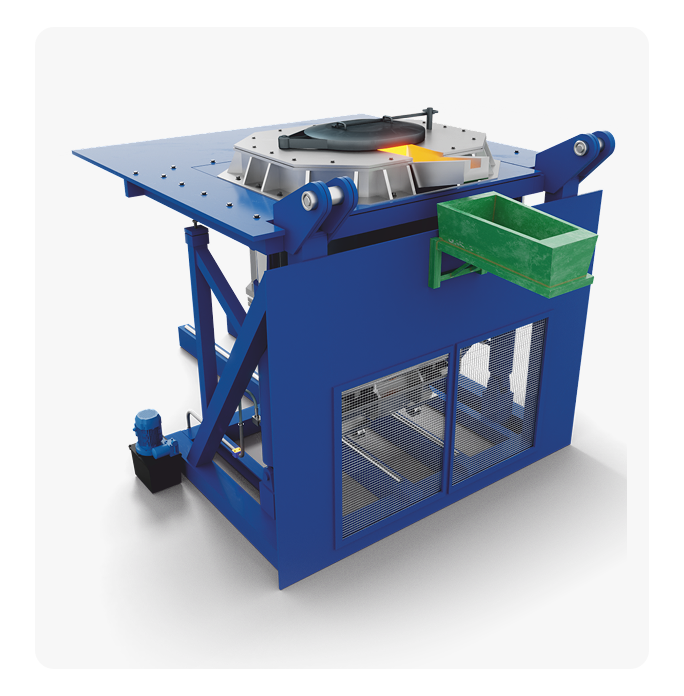
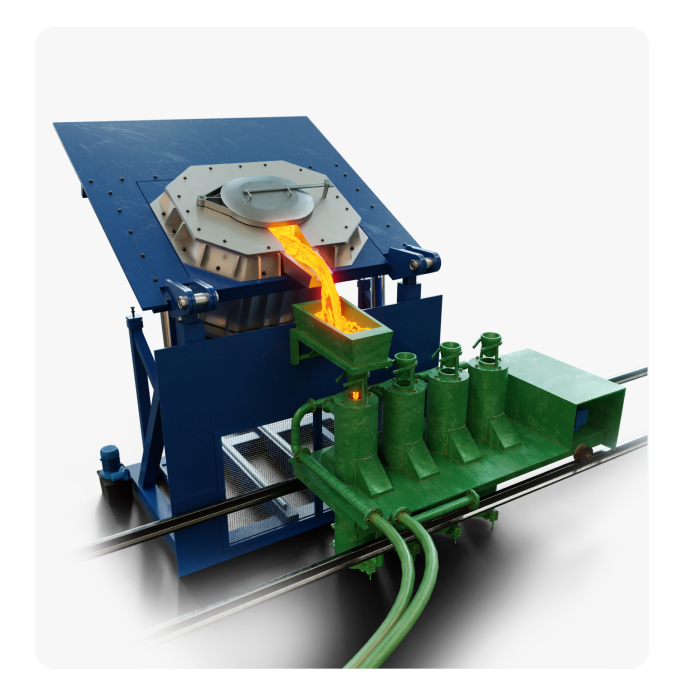
Channel Type Induction Melting & Holding Furnace

Engineered Stability for Continuous Melting & Holding

Channel induction furnaces are the backbone of continuous non-ferrous melting and holding operations where thermal stability, metal cleanliness, and energy efficiency are critical. Pioneer designs and manufactures mains-frequency (50-60 Hz) channel induction systems optimized for long campaigns, high availability, and controlled molten metal circulation.

These systems are particularly suited for aluminium, zinc, and copper-based applications where uninterrupted operation and precise temperature control are essential.

Why Channel Technology?

Unlike batch melting systems, channel furnaces are designed for:
  • Continuous operation over extended campaigns
  • High electrical efficiency at industrial scale
  • Stable temperature maintenance with low superheat
  • Controlled metal flow and minimal turbulence
  • Reduced oxidation and metal loss

For cathode melting plants, holding furnaces, die casting supply systems, and galvanizing pre-melt units, channel furnaces offer unmatched operational stability.

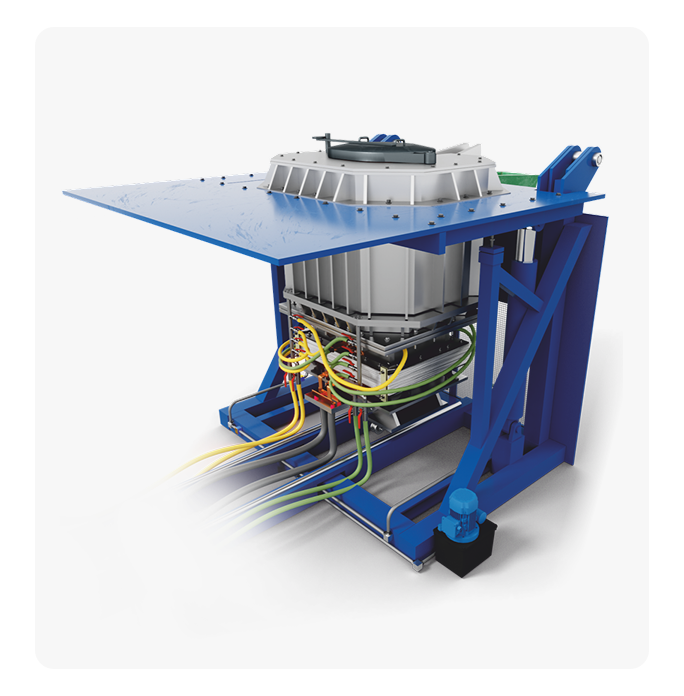
Pioneer Channel Furnace Engineering Optimized Inductor Design

Pioneer’s channel inductors are engineered to ensure:
  • Uniform electromagnetic field distribution
  • Efficient molten metal circulation
  • Reduced refractory stress
  • Long inductor life

The geometry and power matching are designed to suit specific alloy properties and process requirements.
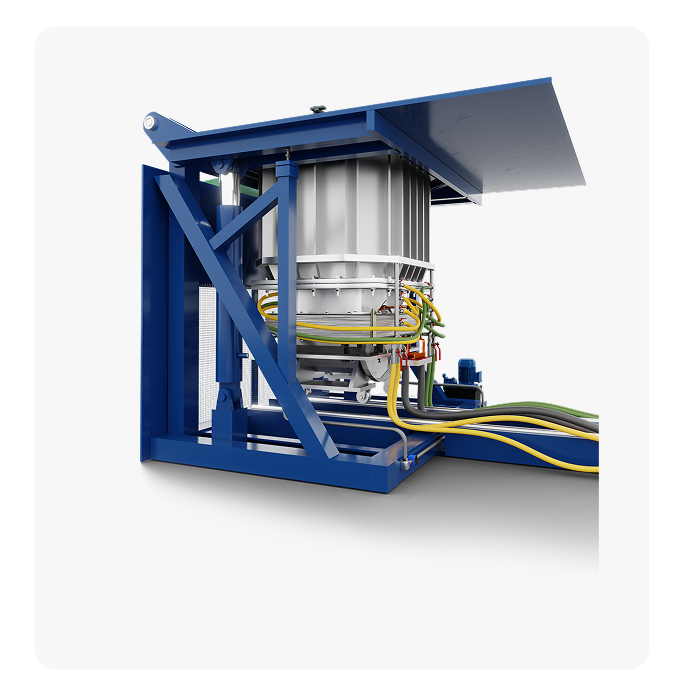
Capacity Range:

Tilting furnace with open spout

Power Rating: 100 KW to 3000 KW

Holding Capacity: 300 Kg to 50000 Kg

Tilting furnace with closed tube spout

Power Rating: 350 KW to 3000 KW

Holding Capacity: 2000 Kg to 25000 Kg

Static furnace for cathode melting

Power Rating: 150 KW to 5000 KW

Holding Capacity: 10000 Kg to 150 metric ton

DFO™ – Dynamic Flow Optimization

Pioneer’s proprietary DFO™ technology enhances molten metal circulation by optimizing electromagnetic forces and bath flow patterns. This ensures:

  • Improved temperature uniformity
  • Reduced localized overheating
  • Better metallurgical consistency
  • Enhanced refractory and inductor life

DFO™ is especially critical in continuous operations where thermal imbalance can affect downstream quality.

DirectMOD™ Power Control Architecture

Through DirectMOD™, Pioneer ensures responsive and stable power modulation at system level, enabling:

  • Smooth temperature ramp-up
  • Reduced electrical stress
  • Improved grid interaction
  • Enhanced process control

This modular architecture supports reliability in high-duty industrial environments.

Mechanical Robustness for Continuous Duty

Channel furnaces operate in demanding thermal and mechanical environments. Pioneer designs prioritize:

  • Heavy-duty steel structures
  • Thermal expansion management
  • Refractory integrity
  • Safe maintenance access

Mechanical design is not an afterthought – it is central to campaign life.

Typical Applications

  • Aluminium and zinc cathode melting
  • Continuous casting supply systems
  • Galvanizing pre-melt furnaces
  • Holding furnaces for die casting
  • Alloying and transfer systems

Lifecycle Performance Focus

Pioneer channel furnaces are engineered not only for performance at commissioning but for:

  • Long refractory campaign life
  • Energy efficiency across years of operation
  • Predictable maintenance cycles
  • Ease of inductor replacement
  • Availability of spares and upgrades

When Channel Technology Is the Right Choice

Channel furnaces are ideal when the process demands:

  • Continuous, stable operation
  • Large melt volumes
  • High electrical efficiency
  • Minimal metal oxidation
  • Integration with automated production lines

Talk to Our Melting Experts

Whether for a green-field plant for melting non-ferrous metals and their alloys, or capacity expansion, or modernization project,
Pioneer’s engineers are ready to support your metallurgical and other technical requirements.

CONTACT US Download Brochure

FAQ's

A channel type induction furnace is used for continuous melting and holding of non-ferrous metals and their alloys, especially where stable temperature and high holding efficiency are required.

Channel furnaces are the most preferred melting system for continuous melting and holding of non-ferrous metals and their alloys where alloy change is not required. For frequent alloy changes, coreless furnaces are preferred.

A channel furnace is preferred when production is continuous and alloy composition remains unchanged. Coreless furnaces are better suited for batch melting and frequent alloy changes.

Pioneer designs channel furnaces with optimized inductor geometry, controlled metal circulation, efficient refractory layout, and stable power utilization.

Channel furnaces offer lower specific power consumption, reduced oxidation, stable temperature control, and high efficiency for molten metal holding.

Precision. Performance. Pioneer.